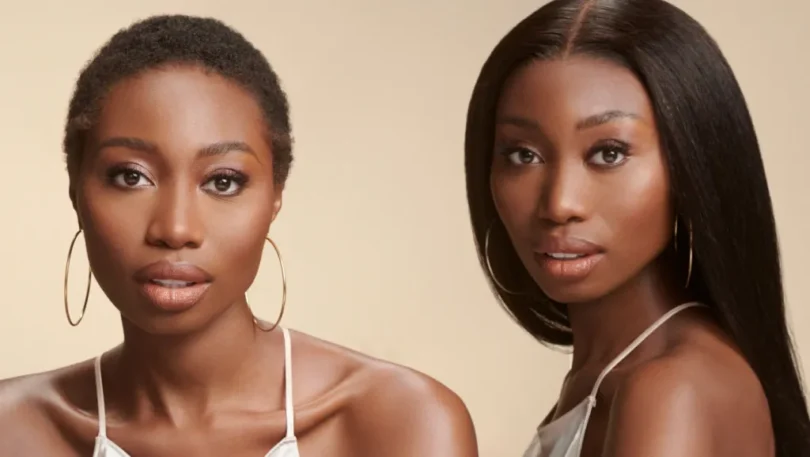
For decades, wigs were primarily associated with fashion statements, theatrical performances, or discreet solutions for hair loss. Today, that narrow perception is rapidly changing. The modern wig industry is evolving into a broader movement centered on personalized identity, blending aesthetics, technology, and functionality in ways that reflect how people choose to present themselves to the world.
At the heart of this shift is customization. Consumers are no longer satisfied with generic styles or one-size-fits-all designs. They want hair solutions that align with their facial features, lifestyle, cultural background, and personal expression. Advances in digital imaging and measurement now allow manufacturers to create wigs tailored to individual head shapes, hair density preferences, and color nuances, resulting in a more natural and confident appearance.
This evolution mirrors a wider trend in consumer culture: the desire for control over one’s image. Just as fashion has moved toward bespoke tailoring and skincare has embraced personalization, wigs have become tools of self-definition rather than concealment. For many users, wearing a wig is not about hiding something, but about actively choosing how they want to be seen on a given day.
Material innovation has played a significant role in this transformation. Lightweight fibers, breathable caps, and improved durability have expanded the functional appeal of wigs. Comfort is now as important as style, especially for individuals who wear wigs daily for medical or professional reasons. This focus on wearability has encouraged crossover thinking from other industries that prioritize realism and tactile experience. For example, manufacturers familiar with advanced materials used in products like SY Doll understand how surface texture, flexibility, and long-term comfort influence user satisfaction, even when the applications differ.
Another important change is the normalization of wigs across genders and age groups. Social media and celebrity culture have helped dismantle old stigmas, presenting wigs as accessories rather than last resorts. Influencers openly discuss switching styles as part of creative expression, reinforcing the idea that identity can be fluid and intentional.
Technology has further accelerated this trend. Virtual try-on tools, AI-assisted design previews, and online customization platforms allow users to experiment without commitment. This lowers the barrier to entry and empowers consumers to explore looks they might never have considered in a traditional retail setting.
Interestingly, the broader realism-driven manufacturing landscape also informs this progress. Companies experienced in producing lifelike forms, such as those working with materials like TPE doll components, have contributed knowledge about durability, softness, and adaptive design. These insights, when applied ethically and creatively, enhance the realism and comfort of wigs without altering their purpose.
Ultimately, the wig industry’s transformation reflects a deeper cultural shift. Image is no longer fixed; it is curated, adjusted, and reimagined over time. By combining fashion sensibility with functional innovation, wigs have become a powerful medium for personalized identity—one that respects individuality while embracing change.